The Hidden Danger of Walnuts on Nashville Trails: Protecting Your Dog
Uncategorized
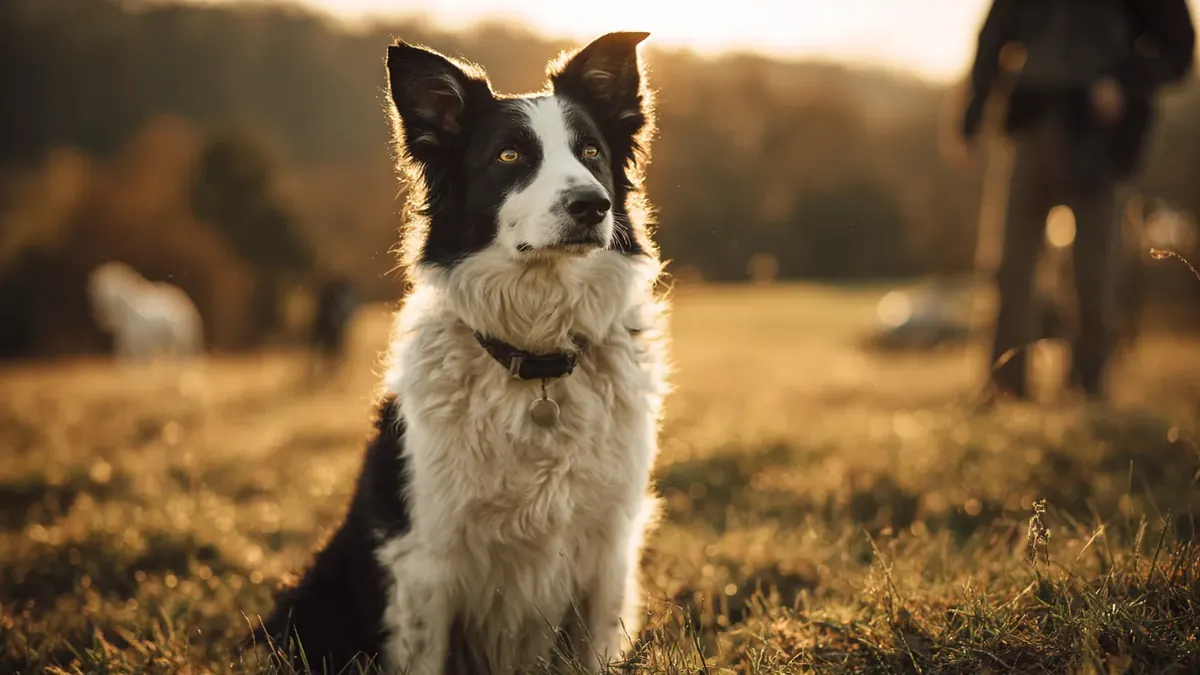
Black walnut trees line half the greenways in Middle Tennessee. Every autumn they drop thousands of green hulls onto the trail, and by midwinter those hulls are soft, dark and exactly the sort of thing a curious dog picks up.
Why walnuts are a problem
The nut itself is not the main risk. The risk is what grows on it. Fallen walnut hulls readily develop a mold that produces tremorgenic mycotoxins — compounds that affect the nervous system. Ingesting even a small amount can cause:
- Tremors and muscle twitching
- Vomiting and drooling
- Unsteadiness or an abnormal gait
- Seizures in severe cases
Symptoms can appear within a couple of hours. If you see them, this is an emergency vet visit, not a wait-and-see.
Where you will find them
Walnut hulls collect along shaded creek banks, at the bottoms of slopes, and anywhere leaf litter piles up. Those are also the spots dogs most like to nose through.
The training answer
You cannot clear a greenway. You can build a dog who does not eat off the ground. That comes down to two behaviors:
- A reliable “leave it.” Taught with low-value items first, then proofed against things your dog genuinely wants.
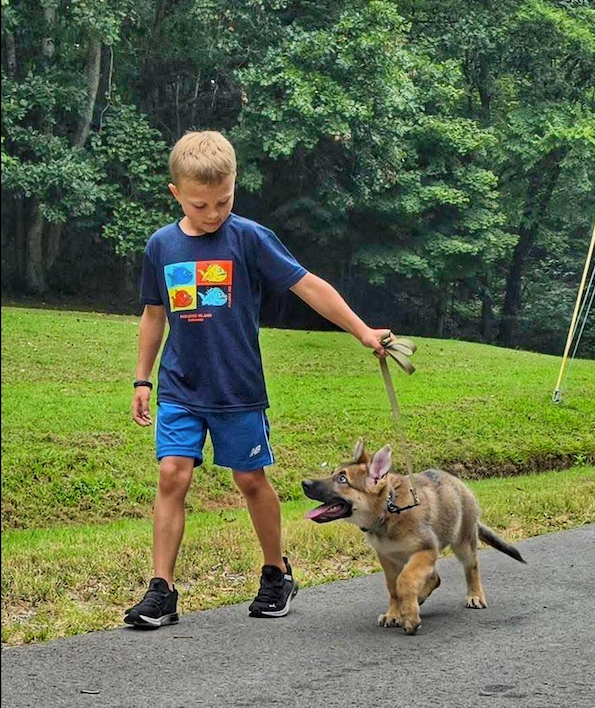
- A loose-leash heel. A dog walking at your side is not head-down in the leaf litter six feet away.
Both are core parts of our basic obedience program, and both are what make off-leash freedom safe rather than risky.
A short checklist for winter walks
- Scan the ground ahead of your dog, not just the path in front of you
- Keep the leash short through heavy leaf litter
- Rehearse “leave it” at home every week so it holds on the trail
- Know the number of your nearest emergency vet before you need it
Nashville has some of the best dog walking in the country. A little awareness keeps it that way.